Odoo Shipping and 3PL Integrations
Shipping and 3PL integrations sit close to the customer promise. If labels, tracking, fulfilment updates or warehouse handoffs are unreliable, the problem becomes visible quickly to customers and support teams.
Buyer judgement
Shipping integrations have to protect fulfilment promises
Shipping and 3PL integrations are only useful when they protect fulfilment promises. The business needs to know which system owns the order state, where tracking is created, how exceptions return to the team and when customers should be told something has changed.
The fragile parts are usually not the API connection itself. They are split shipments, carrier failures, address changes, partial picks, 3PL stock differences, marketplace service levels and finance teams trying to reconcile freight charges after the order has already moved.
A practical Odoo integration design makes those exceptions visible before go-live. It defines who fixes them, what gets retried automatically and what needs human approval so warehouse teams are not left guessing under pressure.
- Map the order journey from paid order through pick, pack, dispatch, tracking, returns and freight reconciliation.
- Test carrier and 3PL failure cases, not only the clean fulfilment path.
- Give customer service and operations a shared view of fulfilment status, exception owner and next action.
For related operating decisions, review multi-warehouse Odoo, inventory management and Shopify integration.
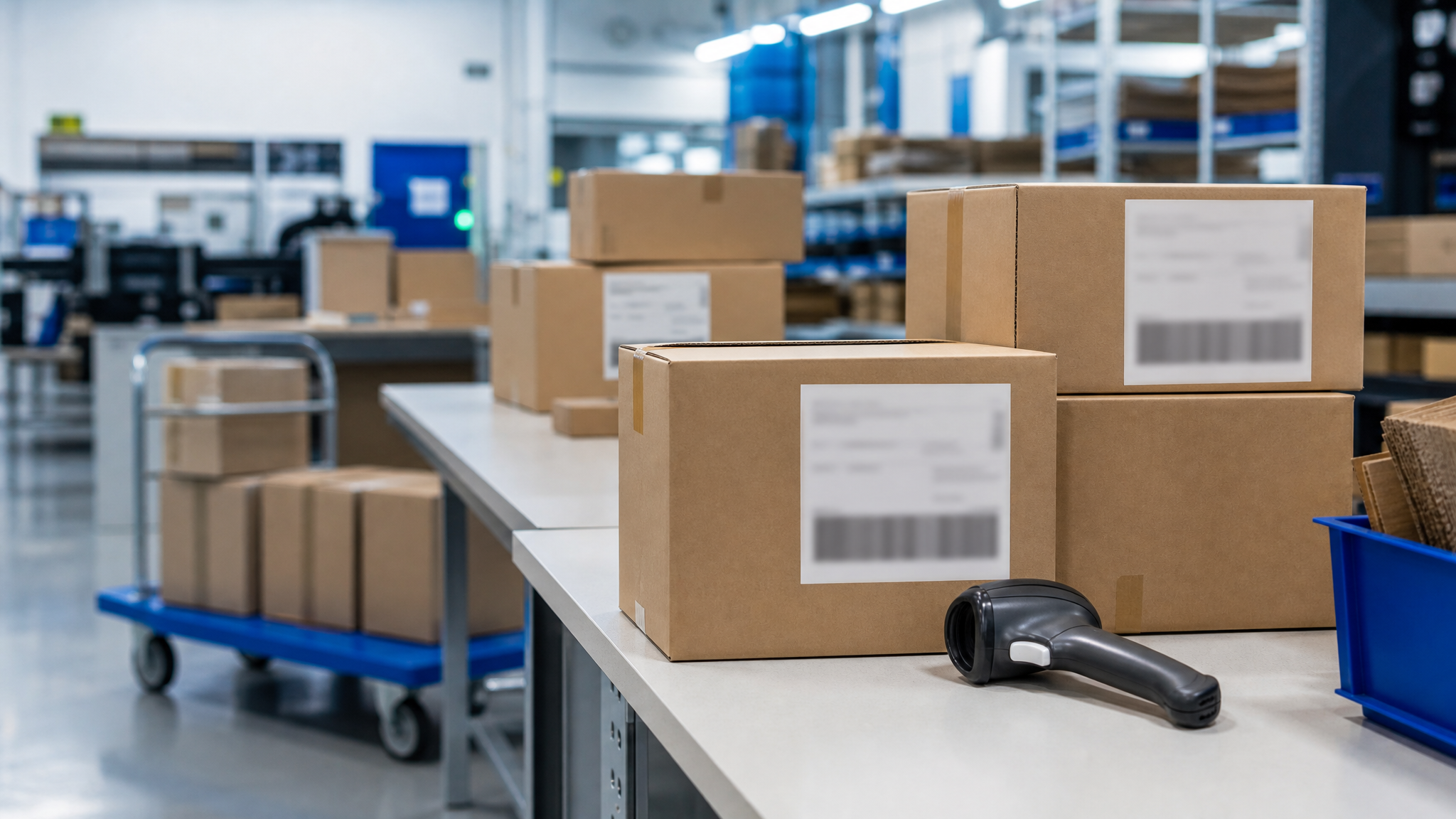
Shipping, carrier and 3PL integrations create value when fulfilment teams can trust the flow from order release through dispatch, tracking and exception handling. The goal is dependable fulfilment operations, not just a technical connection.
Fulfilment questions to answer
- When a delivery order is ready to send to a carrier or 3PL.
- Which system creates labels, tracking numbers and shipment events.
- How split orders, backorders, substitutions and failed picks are handled.
- What information customer service needs when a parcel is delayed or changed.
Integration risks to control
- Labels generated from incomplete address or package data.
- Tracking updates that do not return to the customer-facing system.
- 3PL stock movements that arrive too late for accurate availability.
- Manual warehouse fixes that never appear in reporting.
What better fulfilment feels like
A good integration reduces re-keying, but more importantly it gives teams confidence about what has shipped, what has not, and which exceptions need attention. That is where fulfilment integration becomes operational value rather than plumbing.
Fulfilment integrations need real order testing
Shipping and 3PL connections are successful when teams can see what happened, what failed and what needs attention next. The review should include people who pack orders, handle exceptions and answer delivery questions, not only the people who approve software. When an order is delayed, the team should know whether the issue sits with stock, carrier booking, warehouse processing, 3PL status or customer communication. Real order examples are the best test before the integration becomes part of normal operations.
Talk through the operational detail before you commit
Map the fulfilment handoffs, tracking requirements and exception paths before shipping issues reach customers.
Start the readiness assessmentOdoo Shipping and 3PL Integrations Questions
Can Odoo connect with shipping platforms?
Yes, but the approach depends on carrier requirements, fulfilment workflow, label generation, tracking and exception handling.
What should be clarified before a 3PL integration?
Stock ownership, order release rules, fulfilment status, returns, adjustments, reporting and support responsibility should be clear.
Why do shipping integrations fail operationally?
They often fail because address data, package rules, exceptions and tracking updates were not tested against real scenarios.
Can Odoo support split shipments?
Odoo can support complex fulfilment flows, but split shipments and backorders must be designed and tested carefully.
Should tracking flow back to customers?
Usually yes. Tracking visibility reduces customer service load and helps teams manage delivery exceptions.
Can Syceed help review an existing fulfilment flow?
Yes. Existing carrier, warehouse or 3PL workflows can be reviewed for reliability, ownership and reporting gaps.
Odoo shipping and 3PL integration for fulfilment reliability
Connect Odoo with shipping carriers, Starshipit, Australia Post, 3PL partners and fulfilment workflows. Syceed helps clarify carrier rules, warehouse handoffs, labels, tracking, data timing, exceptions and support ownership.
Related AI automation guidance: AI fulfilment exception monitoring - Apply AI-assisted review to late, blocked or unusual fulfilment workflows.
Odoo shipping and 3PL integrations
Shipping integrations protect the customer promise after the order is placed
Syceed helps Australian businesses connect Odoo with shipping, carrier, 3PL and warehouse workflows so fulfilment updates, tracking, stock movement and exceptions stay visible after checkout.
Fulfilment handoffs to define before go-live
- Order release rules, picking status, packing status, labels, tracking and carrier service selection.
- SKU, barcode, address, package, weight, dimensions and delivery instruction fields.
- Partial shipments, backorders, substitutions, cancellations, returns and failed fulfilment exceptions.
- 3PL stock updates, warehouse confirmations, dispatch events and customer service visibility.
- Finance, reporting and inventory reconciliation when fulfilment events change order or stock status.
Shipping scope should connect to Odoo integrations, inventory management, multi-warehouse Odoo, Shopify integration, implementation process and support after go-live.
For broader planning, review readiness assessment, budget planning, reporting dashboards, project rescue, Odoo implementation and proof from LatestBuy.
Common Odoo shipping and 3PL questions
What should an Odoo shipping integration control?
It should control fulfilment handoff, carrier service selection, labels, tracking, partial shipments, delivery status updates, returns and the exception workflow when orders cannot ship cleanly.
How should Odoo work with a 3PL?
Odoo should send clean order, SKU, address and fulfilment data to the 3PL, then receive stock, shipment, tracking and exception updates that keep inventory and customer service teams aligned.
What makes shipping and 3PL integrations risky?
Risk usually comes from weak SKU mapping, unclear fulfilment ownership, address errors, partial shipment rules, stock mismatch, missing tracking updates, returns handling and untested high-volume scenarios.
Should shipping be tested before Odoo go-live?
Yes. Testing should cover labels, carrier rules, tracking, split shipments, backorders, cancelled orders, returns, 3PL handoffs, stock updates and support-team visibility.